Mount Kailash Tour via Lhasa 12 Days

Mount Kailash Tour via Lhasa 12 Days Cost 2026/27
  • Duration 12 Days
  • Trip Grade Moderate
  • Max. Altitude 5,630 m (18,471 ft) at Dolma La Pass.
  • Trip Start Kathmandu, Nepal
  • Trip End Kathmandu, Nepal
  • Trip Area Mount Kailash and Lhasa Area
  • Nature of Trip Cultural, spiritual, pilgrimage, sightseeing, and high-altitude trekking tour
  • Major Activities Lhasa sightseeing, monastery visits, Lake Manasarovar rituals, Mount Kailash Kora, crossing Dolma La Pass, and scenic overland travel across Tibet
  • Best Season Late April to early October, with May to June and September to early October

Kailash Mansarovar Tour via Lhasa Sightseeing 12 Days Overview

People often ask: can't you just go straight to Mount Kailash? The answer to that question is quite simple: Lhasa is a better starting point to acclimatize before going deeper into the Tibetan Plateau, and it gives you several days to immerse yourself in the culture and sights that attracted you to the place. The 12-Day Mount Kailash Tour is planned around this concept of acclimatization, sightseeing, and pilgrimage rather than going straight to Darchen.

Your journey actually starts in Lhasa, located at 3,650 meters, where you can spend your first days at high-altitude destinations visiting such famous sights as the Potala Palace, Jokhang Temple, Sera Monastery, and the unique city streets of Lhasa. The next part of the trip leads you westwards to Shigatse and further to Saga. Ultimately, your journey ends at Lake Manasarovar and Darchen, where you are going to start your pilgrimage to Mount Kailash.

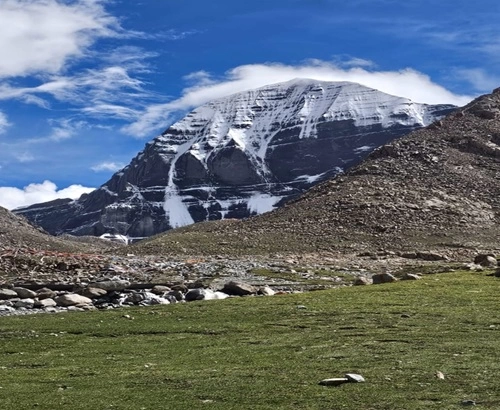
The climax is the 3-day Kailash Kora. Trekking from Darchen to Dirapuk, this challenging crossing takes you over the Dolma La Pass (approximately 5,630 m), then descends to Zuthulpuk. This trek continues back to Darchen, then to Saga, and eventually back through Kerung and Kathmandu. The section of the trek around Kailash becomes more demanding. Mount Kailash itself is approximately 6,638 m high. The usual 3-day Kailash Kora reaches its highest altitude at Dolma La Pass, at about 5,630 m. Walk from Darchen toward Dirapuk, cross over Dolma La, descend to Zuthulpuk, and complete the circuit around Mount Kailash.

We work closely with our partners in Tibet, who provide tour guides, including Yambraja Shakya and Milan Shakya, with their vast experience of Tibet and the Kailash route. Our guides not only ensure you remain on your path but also educate you about rituals, monasteries, pilgrimage traditions, and the realities of altitude travel. Rather than publishing a fictitious completion rate, we assess travelers honestly before confirming a booking.

One of the most important things our guides stress is that slow walking is the most intelligent way of conserving energy at such heights.

We recommend traveling during the peak season to benefit from better road conditions and weather, as winter can be brutally cold and snowy with rapidly changing conditions throughout the plateau. At Adventure Altitude Treks, we will evaluate your fitness level and prepare you before your trip. If you have any questions, please feel free to get in touch with Rohit Subedi at +977 9845449032.

Highlights of the Mount Kailash Tour via Lhasa

This is not a commitment that can be easily translated into a brochure number. Kora completion is not verified by a fixed percentage, nor can it be guaranteed that every traveller will cope with adapting. What can be relied on is the procedure: we have designed this 12-day trip with gradual acclimatisation in mind, and we offer all necessary equipment and methods for a safe Kora.

  • Start from Lhasa at 3,650 m/11,975 ft instead of going to Kailash straight away, because this is essential for the itinerary. We want you to spend your first days at altitude sightseeing in Lhasa before the journey goes higher up. Our clients’ feedback about the Kailash trek contains comments about the positive effect of acclimatization on their experience.
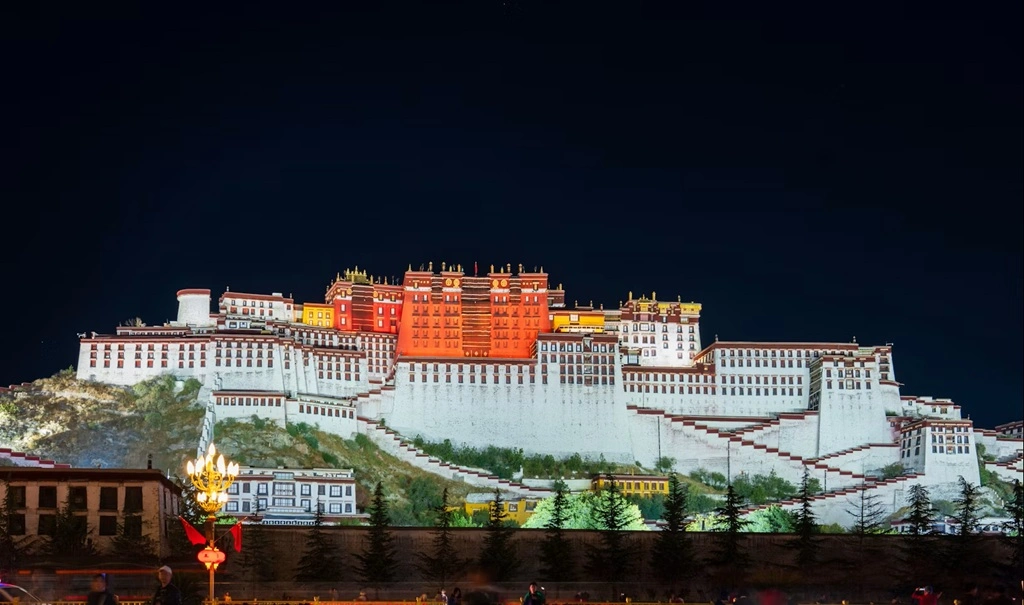
  • Visit the Potala Palace, Jokhang Temple and Barkhor Street before heading for your remote journey. This is our belief in the acclimatization process rather than just focusing on sightseeing - you have time to walk slowly, get used to the altitude and learn about Tibetan Buddhism, which is present everywhere along the pilgrimage trail.
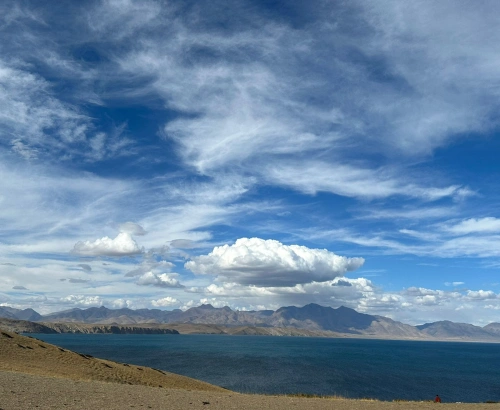
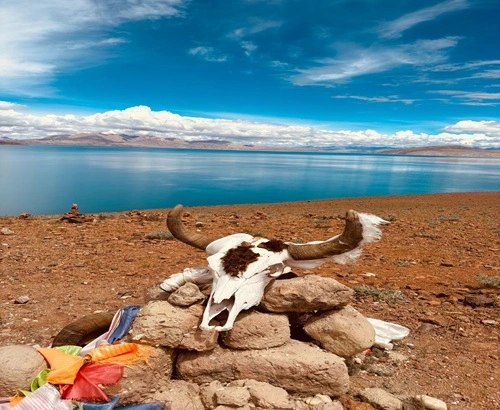
  • Arrive at Lake Manasarovar, which is at an altitude of approximately 4,558 m / 14,954 ft. It is at this juncture that everything becomes a spiritual experience. One of our recent guests described the combination of Lake Manasarovar and Mount Kailash as an unorthodox spiritual experience of the trip.
  • Prepare at Darchen before starting your Kora circuit. The first thing to know is that the Kora is incredible. It is not an easy pilgrimage – the route goes up to approximately 5,630 m / 18,471 ft at Dolma La, where altitude and altitude track quality must be taken into consideration.
  • Cross Dolma La and head towards Zuthulpuk. Here is where the opinion of our guides matters most. We carry oxygen and first-aid kits, and our Kailash packages include emergency evacuations instead of relying on miracles in case a traveler gets sick.
  • Our approach to altitude is cautious. We prefer to change the itinerary or the pace of the trip to protect the health of our travelers rather than to think that no one is healthy enough to reach some point.
  • Oxygen supplement is part of the delivery. Our Kailash package states that oxygen tanks must accompany our buses. Moreover, we include extra oxygen tanks for Kora, basics of first aid and arranging emergency evacuations. In addition, current Kailash packages include oxygen monitors to check blood oxygen levels.
  • We have guides from both Tibet and Nepal as part of our provision. We will provide an English-speaking guide in Tibet for customs paperwork. Therefore, the practical lesson is clear: you do not want to fight your way through all the permits, logistics and cultural queries.
  • Basic facilities should be expected around remote Kora. The latest review of the Kailash trip explicitly stated that guesthouse provisions might not be as extensive. Therefore, it is better to know about their limitations beforehand and not raise false expectations of 5-star hotels in remote Tibet.
  • It is the duty of our guides to do a good job of keeping our customers safe. Our guides monitor health, provide instructions on acclimatization and provide necessary oxygen supplies. The study shows that in Kailash, it is better to travel slow and stay healthy than to move fast and turn back halfway.
  • Experience basic Kora accommodation first-hand. Dirapuk and Zuthulpuk offer little more than lodges or guesthouses with limited facilities. We inform clients about this before setting off because the level of comfort drops as soon as you enter the remote pilgrimage zone.
  • Complete the journey via Kerung and back to Kathmandu. Day 11 is the one of the Saga-Kerung run, while Day 12 makes your way back to Kathmandu.
  • We learned from the way that acclimatization cannot be guaranteed. We can plan the route and monitor travelers, but we cannot predict how our body reacts to the heights of 4,500-5,600 meters. That is why we will assess your body fitness before accepting your booking instead of assuring you that everyone can reach Dolma La.
  • We do not assure you that everyone will reach Dolma La. No responsible operator could guarantee how the body would react above the altitude of 5,600 m. What we can guarantee is that we will assess your physical situation before you book, engage only experienced guides and prioritize safety over forcing a client to go forward just to finish the itinerary.
  • The team bears the final responsibility for decision-making. Rohit Subedi is part of our team as a Trip Planner and encourages travelers to reach out by phone at +977 9845449032 to discuss the fitness, customs, and logistics before they purchase. We would prefer to eliminate an unsuitable candidate rather than offer him or her a mountain trip for which they might not be ready.
  • We provide ongoing assistance through the acclimatization process. Our published reviews give us something measurable to stand for. In the review by Michael Anderson dated March 2026, the author speaks about the continuous support provided at every stage of acclimatization, while Rahul Gupta’s review dated October 2025 praises the itinerary prepared by the team based on his own pace and energy.

Why Book a Lhasa Kailash Tour with Adventure Altitude Treks?

It is easy to find operators who can arrange the permits, transportation, accommodation, and other logistics required for a Kailash journey. What differentiates us is how we handle the challenges that arise once you are on the Tibetan Plateau. High altitude, difficult road conditions, and changing circumstances can require adjustments to the itinerary, which is why our Lhasa to Kailash tour is designed around practical support, flexibility, and careful acclimatization.

We currently have 263 TripAdvisor reviews on our company profile, and our Kailash-specific reviews repeatedly highlight our approach to acclimatization, medical support, logistics, and knowledgeable guides. Rather than simply telling you that the altitude will be easy, we prefer to demonstrate how we prepare and support you throughout the journey.

  • Two days in Lhasa prior to moving further into Tibet; we consciously placed Potala Palace, Jokhang Temple, Barkhor, Drepung and Sera ahead of Shigatse. Clients rave about our method of gradual acclimatization; Silvia Hogan, for example, specifically mentioned that our staged ascent made the altitude easier to cope with.
  • We make no guarantees about all individuals reaching Dolma La; we refuse to turn over a 5,620 m pass into a sales guarantee. Your body determines its own experience of the altitude; our responsibility is to check how you feel, change pace as needed and make a responsible call if staying the course is simply no longer feasible.
  • It is a real Kailash experience, not a one-size-fits-all Tibet journey; Michael Anderson's review of our trip in March 2026 highlighted the team's proactive care throughout the acclimatization phase, and Rahul Gupta mentioned that his private itinerary was designed according to his own pace and energy levels.
  • Oxygen and medical backup are part of the operation; our published programs for Kailash specify the use of oxygen cylinders, provision of first-aid and emergency evacuation plans. Harshad Mehta also mentioned "oxygen cylinders available 24*7, health checkups every morning, and instructions for managing acclimatization by our guides"
  • We have guides who have the proper knowledge of high altitude. Reviews from clients testify that our Nepalese guides are very attentive at high altitude. Emily Carter’s review specifically mentions the guide’s experience at altitude, health management, and oxygen assistance.
  • We are honest about difficult locations. Hotels in Lhasa are one thing; guesthouses along the Kora route are another thing. A Kailash client noted the team’s great support in a difficult location while acknowledging that the facilities of remote guesthouses were at a bare minimum.
  • We are flexible when it comes to changes in Tibet. A review from Vanitha R in 2025 mentions unforeseen difficulties caused by natural disasters and how the team worked around such changes.
  • Pre-departure briefings are part of the service provided to the clients. A Kailash client mentioned that detailed pre-departure briefings helped prepare for and understand the trip.
  • Together, we take care of logistics from Nepal to Tibet. According to the latest feedback from clients, all logistics are taken care of regarding connections, border permits, procedures for arriving in Tibet, acclimatization, and logistics in Tibet. That is very important, because this can't be a normal domestic trekking, where one can improvise every single transfer.
  • You can rely on a local team. Our published contact details provide a personal touch that includes Rohit, Trip Planner - +977 9845449032, and Raju, Operation Manager - +61 423 765 587. Instead of hiding the operation behind a generic contact form, we put real names and numbers behind your booking.
  • Our accountability is quite simple - We evaluate you before accepting your booking. Kailash needs a basic level of health to be in the high altitude and difficult country, and our own website states the following. If we feel the itinerary is not good for you, we would rather have an uncomfortable chat prior to acceptance of payment than to have you in Tibet telling us this after you have traveled.

Essentials To Know About Lhasa

Quick Fact

Details

Altitude

3,650 m / 11,975 ft

Location

Tibet Autonomous Region, China

Meaning

Lhasa means “Place of the Gods”

Main Landmark

Potala Palace

Sacred Temple

Jokhang Temple

Old City

Barkhor area and pilgrimage circuit

Key Monasteries

Drepung and Sera

Climate

High-altitude, dry and cool

Best Travel Period

April to October generally offers milder conditions

Altitude Advice

Take the first days slowly and avoid strenuous activity immediately after arrival

Foreign Visitors

Organized travel and Tibet Travel Permit required

Independent Travel

Not permitted for foreign visitors in the Tibet Autonomous Region

Potala Palace

Timed entry and advance booking apply

Local Culture

Tibetan Buddhist traditions remain central to daily life

Popular Food

Momos, thukpa, yak dishes and butter tea

For Kailash Trips

Lhasa works as an important acclimatization and cultural starting point

Altitude Difference

Lhasa is already higher than many Himalayan trekking destinations

Travel Tip

Keep your first day light, walk slowly and drink regularly

Beyond Lhasa

Common routes continue toward Shigatse, Everest and Mount Kailash

Why Adding Lhasa Sightseeing Is the Best Thing You Can Do Before a Kailash Tour?

Three Days with a Purpose

Our route to Lhasa allows you to stay for three days at 3650 m / 11975 ft prior to moving to the higher altitude. We utilize the time for sightseeing and gradual acclimatization instead of turning Lhasa into a brief stop. Our recommendation is that customers spend at least two nights at Lhasa.

Clients Tell Us It Helps Them

Silvia Hogan, who traveled with us in May 2025, reported that the “slow acclimatization to altitude” made climbing the elevations easier for her. Michael Anderson, in his review of March 2026, credits the team for its support while acclimatizing at different locations. The reviews are available on our website.

You Get Acclimatized and See Tibet

The day 2 itinerary includes visiting the Potala Palace, Jokhang Temple and Barkhor and visiting Drepung and Sera on day 3. You will be walking and exploring sites at altitude while not yet facing the hard Kora. The detailed program on our website shows how to progress towards Shigatse and Kailash.

We Reject Selling Unfitting Experiences

We do not assure travelers that spending three days in Lhasa will guarantee perfect acclimatization since you cannot honestly assure the traveler how their body will react to altitude. If we see that the Kora is inappropriate for a traveler in terms of their fitness level or medical conditions, we will recommend an alternative option instead of taking their money and sending them to Dolma Pass.

Our Measurable Commitment

When you leave Lhasa, you will already have three nights of time spent at altitude before reaching Lake Manasarovar at around 4558m and Dolma Pass at about 5630m. While we cannot guarantee an outcome, we can offer a guarantee that all stages of our proposed progression will be implemented.

Why We Prefer This Route

We disagree with the idea that the quickest itinerary to Kailash is necessarily the best. Our Clients reaffirm again and again the importance of pacing and acclimatization, just like Rahul Mehta, who appreciated our “well-thought-out itinerary” for acclimatization.

Who Should Book This Kailash Tour?

Travelers Desiring More than Just the Quickest Route

This trip of 12 day length is meant for travelers who seek to fully experience Tibet instead of just getting to Kailash as fast as possible. In this trip, you get to discover the culture of Lhasa before taking a long trip towards Manasarovar and Kora.

Those Who Are Serious about Altitude

You need to be physically fit before taking this trip, since it includes activities at high altitudes. Kora is approximately 52 km long and takes 3 days to cover with a peak altitude of about 5,600 m. Adventure Altitude Treks suggests being sufficiently fit and preparing for the trip before booking.

Pilgrims Wanting Everything Calculated

We often hear praises of acclimatization and pacing from our clients. For example, Rahul Gupta stated that his itinerary was based on his own pace and energy, while Michael Anderson emphasized the importance of acclimatization support he received during his trip.

Individuals Who Are Conscientious About Altitude Travel

Make sure that you are capable of undertaking an arduous trek at high altitudes. Kora comprises about 52 km, covering the height of Dolma La, which is around 5600 m. Adventure Altitude Trek recommends decent fitness and adequate preparation before booking.

Pilgrims Who Prefer a Relaxed Experience

Our clients have constantly mentioned the odor of acclimatization and pace. Rahul Gupta reported that his trip itinerary was customized according to his pace and energy, whereas Michael Anderson said that being constantly accompanied during acclimatization has made a huge difference.

Travellers Who Require Local Assistance

This is suitable for those wishing to have everything taken care of from Kathmandu through Tibet, including permits, transport and high-altitude assistance. We also provide oxygen and health monitoring if needed.

Families and Older Travellers Can Consider This

2024 client Raj Sharma specifically mentioned travel as a senior with personalized care; medical help, horses and porters are provided. Each traveller is evaluated individually instead of simply evaluating the traveler’s qualification based on age.

Who Should not Book this Package?

We will not recommend this package to anyone who is not willing to prepare for altitude or wants to enjoy an easy sightseeing holiday. We will also not advise anyone to travel who is suffering from serious heart or lung health problems.

Kailash Mansarovar Tour with Lhasa Sightseeing Cost 2026, 2027, 2028

We are reluctant to give prominence to a US $1,999 baseline Kailash rate as the final Lhasa quotation, as it does not comprise the actual inclusions. Rohit generates the quotation and will work out the Lhasa package on the basis of your date of travel, size of the group and the prevailing costs of operating in Tibet.

For 2026, 2027 and 2028, ask us for the current quotation for the Lhasa package before you make an investment, so you do not end up with a figure for a route that you are not even traveling.

What Changes With the Lhasa Route?

You will spend three additional days in Lhasa, visiting the Potala Palace, Jokhang Monastery, Barkhor Street, Drepung Monastery, and Sera Monastery before proceeding to Shigatse, Saga, Lake Manasarovar, and finally to the Kora. This means three additional nights and days of accommodation, transport, and Tibet arrangements.

A Real Published Price Example

For comparison, our USA website’s current 10-day Lhasa trip price runs at US$2,199 per person if traveling independently (without a group) or US$1,899 per person for group travelers (group size 21 to 30). This represents a concrete, real-time example of how our Kailash pricing works.

What We Will Not Do?

We are reluctant to give prominence to a US $1,999 baseline Kailash rate as the final Lhasa quotation, as it does not comprise the actual inclusions. Rohit generates the quotation and will work out the Lhasa package on the basis of your date of travel, size of the group and the prevailing costs of operating in Tibet.

For 2026, 2027 and 2028, ask us for the contemporary quotation for the Lhasa package before you make an investment; lest you end up with a figure for a route that you are not even traveling.
Itinerary
Expand AllCollapse All

Our 12-day Lhasa-to-Kailash journey is slow up front but more strenuous toward the end. That’s because we don’t subscribe to the theory that taking fewer days and going straight to the Kailash region is necessarily superior. Other Adventure Altitude treks Kailash programs use shortcuts to enter the region from Kerung, but our direct Lhasa approach keeps you in Lhasa and around 3,650 m for three days before driving through the elevated Tibetan Plateau to Shigatse and beyond.

We believe that, as a company, proper acclimatization in Lhasa is essential prior to trekking the most arduous section of our tour, culminating at Dolma La.

Day 1 is a departure from Kathmandu to Lhasa, with Days 2 & 3 spent acclimatizing to 3,650 m while doing some of the most impressive Lhasa sightseeing (Potala Palace, Jokhang Temple, Barkhor, Drepung, & Sera). Other Adventure Altitude tours reach Kailash from Kerung quicker than our direct Lhasa tour without three all-important days in Lhasa. Day 4 is the beginning of your 350 km road trip to Shigatse; Day 5 is a 450 km journey to Saga; Day 6 is a 410 km trip to the sacred Lake Manasarovar, where you have leisure time to perform sacred rituals. Next is your final destination, Darchen, at approximately 4,600 m, before our Kora (pilgrimage) or circumambulation of Mount Kailash.

We firmly believe that Kora is not easy but a challenging pilgrimage trek. Dolma La is almost 5,630–5,650 m high, and Adventure Altitude’s Kailash details refer to it as the most demanding and the highest point of the Kora.

At the same time, we will not endorse every proposed change. We will not cut short the time of acclimatization in Lhasa just because a traveller seeks to make their trip shorter, nor will we recommend Dolma La crossing for someone who cannot meet the fitness and altitude requirements. We would rather let the booking go than jeopardize a traveller's safety.

It can thus be seen why we do not agree with the risk-centric approach to Kailash tours: quick is not equal to good. A shorter trip is acceptable for some seasoned travellers, and our 12-day tour emphasizes cultural immersion and incremental altitude ascension.

  • AccommodationHotel in Lhasa
  • MealsBreakfast
  • Altitude/Time3,650 m, flight and transfer time varies

From Nepal, your epic adventure to Mount Kailash starts with a straight flight from Tribhuvan International Airport in Kathmandu to Lhasa Gonggar Airport. Within 90 minutes, the most majestic of arrivals in the world of flying happens, the Himalayas occupy your entire window and all of a sudden you have a boundless, brown Tibetan plateau stretching as far as the eye can see.

Altitude sickness upon arriving at the airport located at 3,650 meters is more potent than most expect. You have 60 kilometers to travel to reach Lhasa city, and it will take the better part of an hour in a car to make it into town. Your Tibetan guide will be there with your Tibetan Travel Permit to pick you up at arrivals, be sure you keep this document with you for every checkpoint on your tour. Many travelers are tempted to unpack, shower and explore immediately.

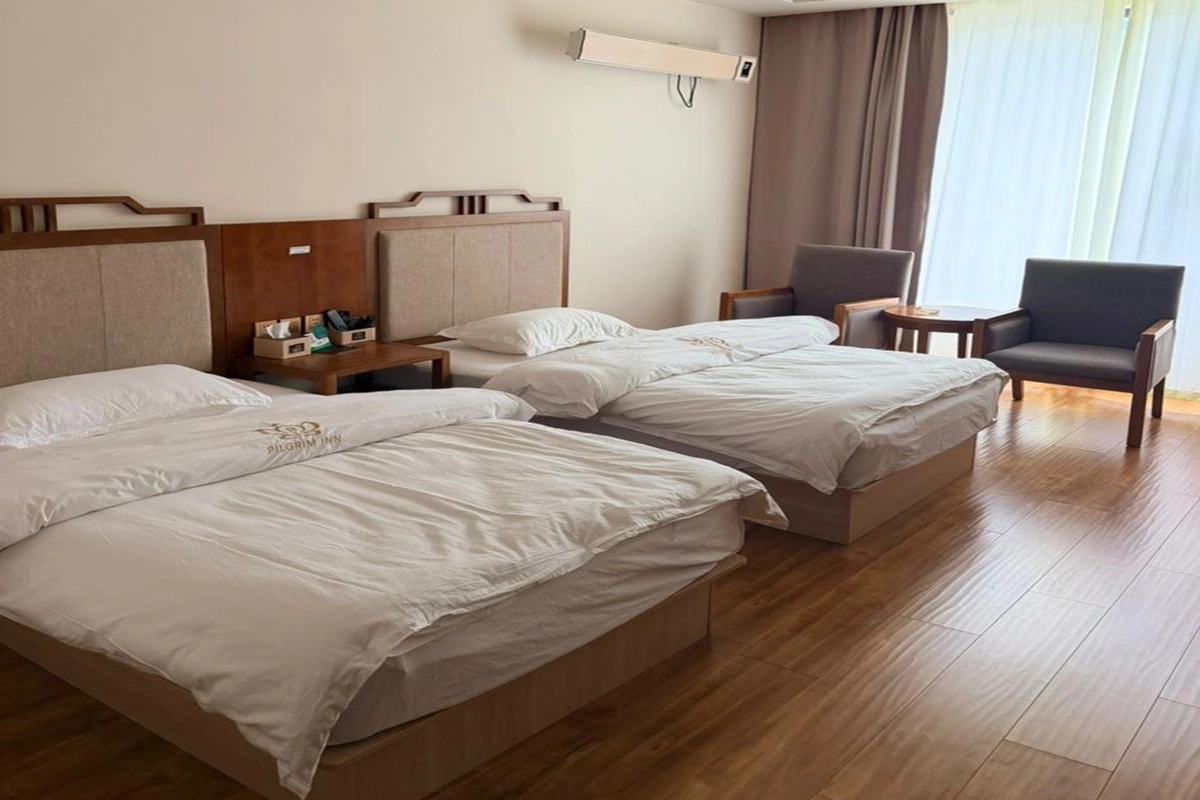
After you check into your hotel in Lhasa (usually a decent guesthouse/hotel in traditional Tibetan style near Barkhor), have some food (rice, noodles are usually good choices as they are light), drink about 3 L of water and lie down horizontally on a bed for a few hours.

  • AccommodationHotel in Lhasa
  • MealsBreakfast
  • Altitude/Time3,650 m, full sightseeing day

You'll kick off day two at a leisurely pace, enjoying a warming Tibetan breakfast of butter tea, tsampa porridge, and boiled eggs at your hotel before making your way out of town just before 9:00 AM. 

Though the altitude keeps the blood pumping, even on level terrain, it doesn't hurt to take it easy during day two as you make your way toward your first attraction: the Potala Palace, home to the Dalai Lamas and overlooking Lhasa from atop Marpo Ri hill (13 floors high!)

You'll need a timed permit to enter. Your guide will do this for you - and please don't try to get in without a timed permit; they are strict. Once you're inside, you'll amble around dank rooms smelling of incense and go through rooms with gold-covered stupas, thangkas and images of previous Dalai Lamas. Photos are prohibited inside most of the rooms.

You'll be taken to Tibet's holiest Buddhist shrine - the Jokhang Temple, which dates back to 647 CE - after lunch at a reputable local establishment in the neighborhood just outside of the old town. Outside, you will witness the pilgrims' devotional acts. Full-body prostrations on stone slabs smoothed by centuries of worship will leave you awestruck. The intensity and spirituality are tangible, visceral.

From Jokhang, you make your way onto Barkhor Bazaar. This circular pilgrimage pathway is strung with vendors selling prayer flags, yak butter lamps, and Tibetan turquoise jewelry, as well as the singing bowls you'll likely hear vibrating from almost every booth. 

Haggling for a good price is expected (and the way to do it); avoid being aggressive or dismissive of tradition. Travel with your guide closely, keeping valuables and cash safe within a money belt or pouch worn facing front.

  • AccommodationHotel in Lhasa
  • MealsBreakfast
  • Altitude/Time3,650 m, full day

On Day 3, you'll experience more of the local culture and culture, and you'll also begin adjusting to the altitude before your driving days. You'll check out of your hotel around 8:30 am. Then, you'll drive to the west of Lhasa by 8 km to Drepung Monastery. 

This was originally the largest Buddhist monastery in the world when it was built in 1416 CE; it had over 10,000 monks, all in these white-walled buildings on the hillside. Today, there are only a couple hundred monks, but many guidebooks don't describe the atmosphere.

After lunch, we make our way back toward the center of Lhasa to discover the 1419 CE Sera Monastery. This monastery is most renowned for its monk debates, held in the courtyard between 3 pm and 5 pm, where monks loudly clap their hands to make a point - something not usually encountered when visiting monasteries, where there tends to be silence. You can stand quietly along one side and listen.

A lot of people get overwhelmed by this, walk out, and miss the biggest discussions in the meeting. Don't leave until after 45 mins. Have a real meal tonight; your body will require stored fuel before Day 4 of an 8-hour drive. Take motion sickness tablets, sachets of electrolytes & your extra layers.

  • AccommodationHotel in Shigatse
  • MealsBreakfast
  • Altitude/TimeShigatse about 3,800 m, 8 to 9 hours

We'll be driving out of Lhasa early this morning, hopefully around 7:30 AM. We'll pile into our 4WD Land Cruiser, which we'll use for almost all of our transport for this journey. Our route takes us along the Friendship Highway, into the valley of the Yarlung Tsangpo River (one of the world's deepest river gorges), and up.

As the terrain shifts from the fringes of Lhasa toward open plateau grasslands, you'll see yak herders grazing their fluffy, shaggy livestock along bright turquoise streams, fed by glacial waters. Along the way, there will be two or three military or police checkpoints that your guide will have to present your group's permits to.

After you arrive in Shigatse (3,840m), the second largest city in Tibet, you can check into your hotel and stroll down to the Tashilhunpo Monastery if you still have time and daylight. Established in 1447 CE, it is the seat of the Panchen Lama and home to a 26m gold-plated Maitreya Buddha statue; one of the world's tallest indoor statues.

You will be blown away after seeing just photos of its size. At night, you will eat a decent hot meal, as Shigatse is one of the few cities where you can eat a variety of food, more than in isolated places afterwards and honestly, most tourists seriously don't realize how limited your choices are going to become after leaving Shigatse.

  • AccommodationLocal hotel or guesthouse in Saga
  • MealsBreakfast - Lunch - Dinner
  • Altitude/TimeSaga about 4,500 m, around 9 hours

Day 5 of the Mount Kailash Tour via Lhasa Sightseeing brings the first feel of real wilderness. You will leave Shigatse around 7 am, drive towards Saga (4,450m), with the paved roads slowly giving into gravel tracks. You will then pass the Gyatso La Pass 5,248m, the highest point you would ride on a paved road the whole time.

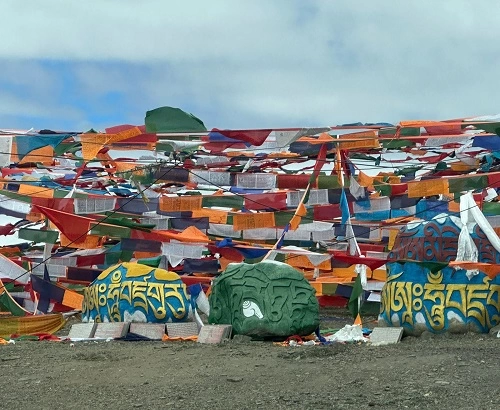
This pass, at about 17,900 feet, whips raggedly with prayer flags and panoramic views of snow-peaked ranges dominating your entire southern view. If 9 out of 10 travelers hike out of the vehicle, the sudden lack of oxygen bites at their lungs. Ten steps and they need to catch their breath again.

Settlements become sparse, roads are disappearing, and you'll see families of nomads, in black yak-hair tents they call ba, camped at the roadside. Young kids will be greeting any cars passing, and the grandmothers walk by, spinning their prayer wheels. 

Saga itself, a tiny frontier town, has humble guesthouses (squat toilets and a little hot water) serving no-nonsense Chinese-Tibetan food, so don't come for creature comforts.

Beds are firm, room at night is freezing, and wifi goes off without notice. Eat what comes steaming hot, and take the Diamox if you were prescribed it. Get as much sleep as you can because the day after the 9-hour drive to Lake Manasarovar is through some of Asia's most desolate land.

  • AccommodationLocal guesthouse near Lake Manasarovar
  • MealsBreakfast - Lunch - Dinner
  • Altitude/TimeLake Manasarovar about 4,590 m, around 8 hours

We will leave Saga at 7:00 AM today and will continue into the western Tibet area, crossing over the semi-arid plateau of the Barkha Plain, the type of landscape where the horizon keeps on receding. Our route of choice will be on some patchy asphalt or, more often than not, gravel tracks that shake every bone in your body for hours.

You will pass over Mayum La Pass, which will be one of the highest points you reach (5,216m), but more importantly. There at the pass it's totally quiet, with the endless sky, and not a human structure in sight - a combination disorienting and deeply peaceful.

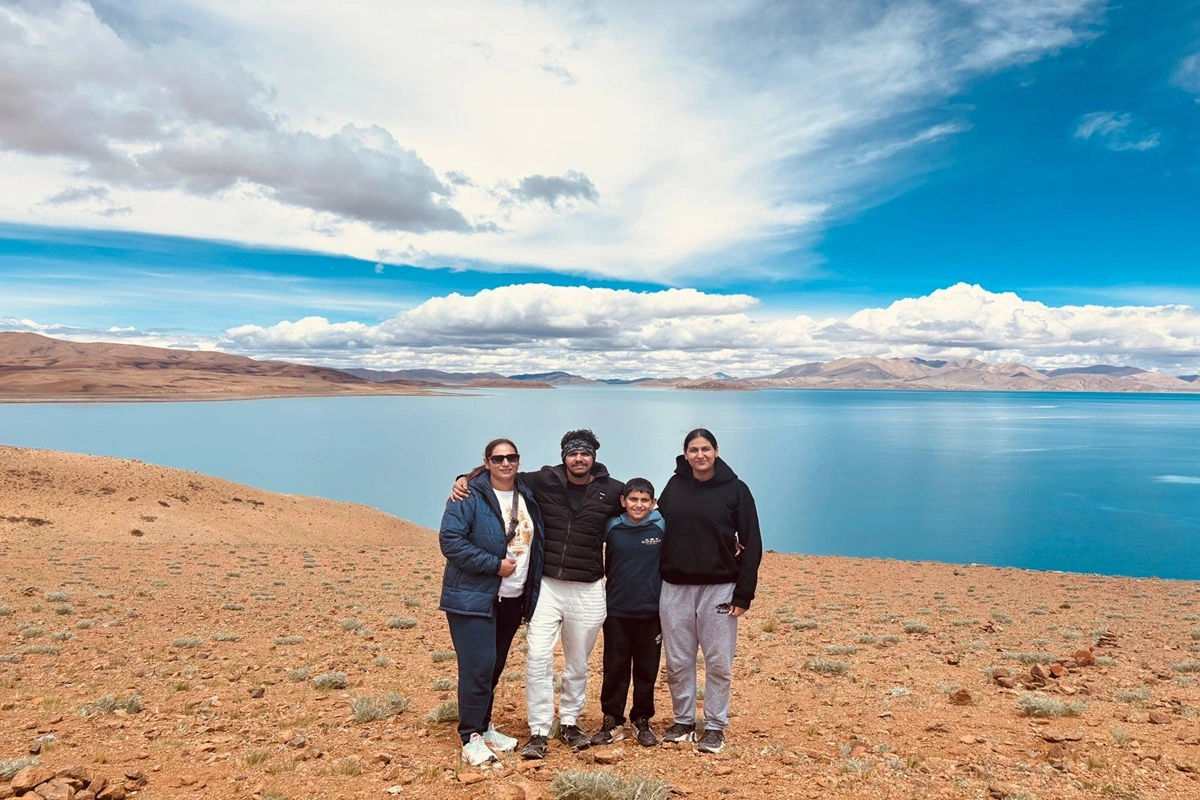
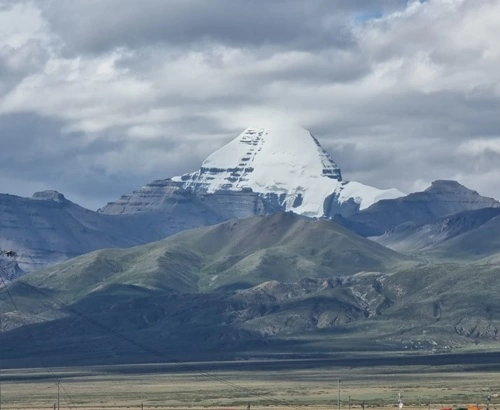
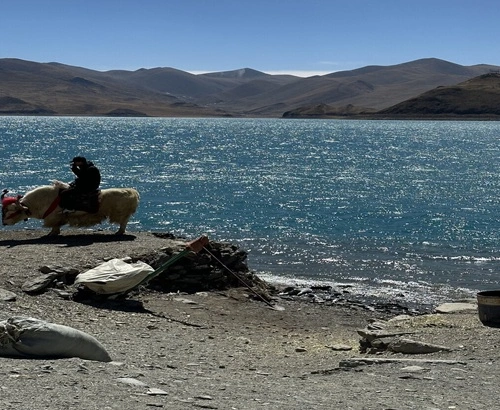
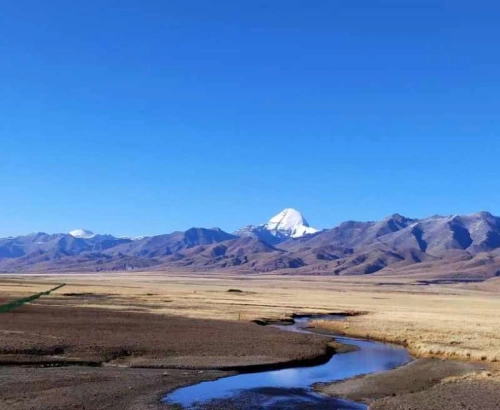
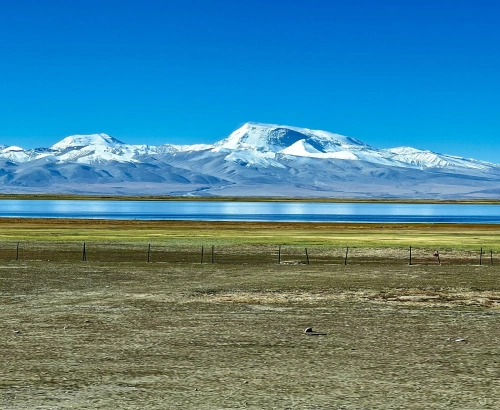
As you make your way down the last ridge, Lake Manasarovar (4590m) will greet you with its beauty — a huge round lake of deep blue color surrounded by snow-covered mountains, so that Mt. Kailash can be seen in the north. This is considered by many to be the climax of the journey. Some travelers can't help but cry when they see the lake. The lake has a sacred meaning in Hinduism, Buddhism, Jainism and the Bon religion at the same time. 

You will check into a simple guesthouse which is not equipped but is located in a splendid place. The atmosphere is quite unusual. Do not forget about hydration.

  • AccommodationHotel or guesthouse in Darchen
  • MealsBreakfast - Lunch - Dinner
  • Altitude/TimeDarchen about 4,600 m, approximately 2 hours driving

You'll get up before dawn to see the morning light kiss the lake; the colors change from gray, then yellow, then intense blue over 20 minutes, and nothing is going to totally capture this vista. After breakfast, you'll take part in or witness the Manasarovar Parikrama (the ceremonial walk around the lake).

As Hindu pilgrims draw holy water into their copper urns, Tibetan Buddhist devotees bow with each prostration, and the Bon spiritual traditions involve walking around the sacred lake in the opposite direction, you are free to fill a small bottle with a taste of lake water to take home. For travelers, it is a very potent moment no matter your beliefs.

By mid-morning, you will be walking the 53 kilometers north to Darchen (4,600m), which is the starting village for the Mount Kailash Kora. Darchen is a gritty town of guest houses, local restaurants and trekking gear stores. It is pungent with the aroma of yak dung smoke and diesel. This is where the actual pilgrimage starts, and the mood of the village makes it clear that Tibetan pilgrims, Indian Hindu worshipers and Western trekkers are walking and jostling along a muddy village road.

If you want help carrying your luggage on the Kora, you can hire a yak. Haggle your price hard before you set off. At home this evening, pack just the necessities into your trekking bag: a couple of warm layers, waterproofs, headlamp, personal medication, water purification tablets and some high-energy snacks.

  • AccommodationBasic guesthouse at Dirapuk
  • MealsBreakfast - Lunch - Dinner
  • Altitude/TimeUp to about 4,900 m, 6 to 9 hours walking

We will begin our 52-kilometer journey around Mount Kailash Kora. The trek begins from the town of Darchen at 8:00 AM. We will walk northwest of Darchen through the Barkha Plain. 

This valley opens into the Lha Chu River Gorge, where you will be led towards the western side of Mount Kailash. The path is well marked but can be rough and stony.

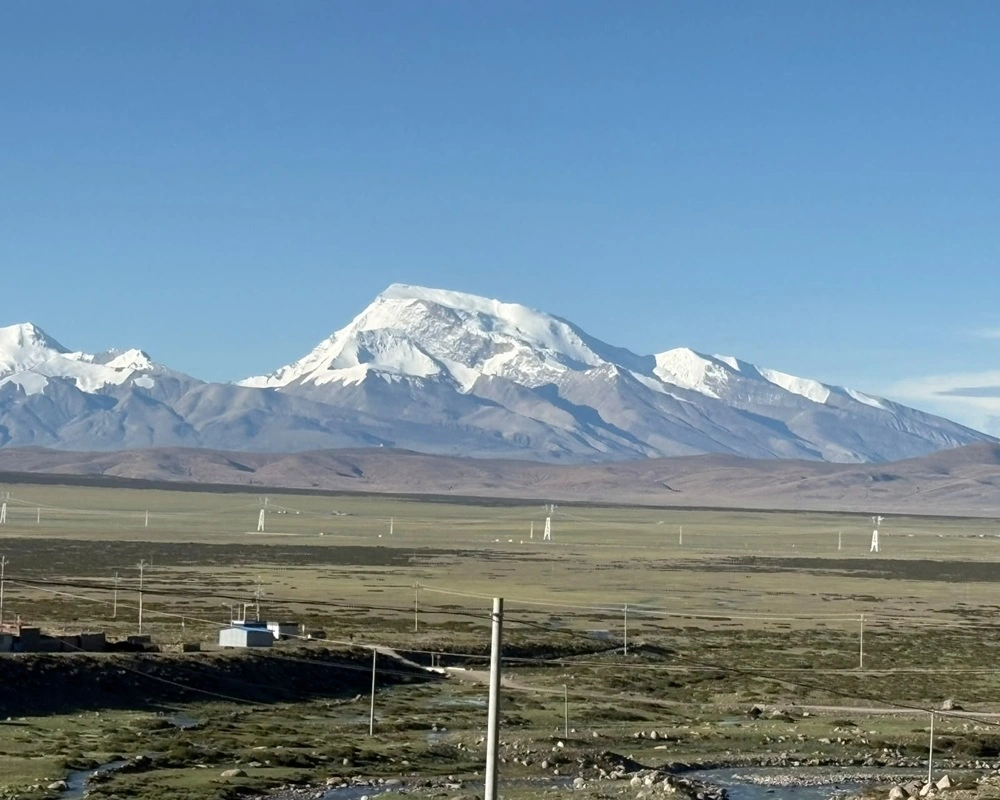
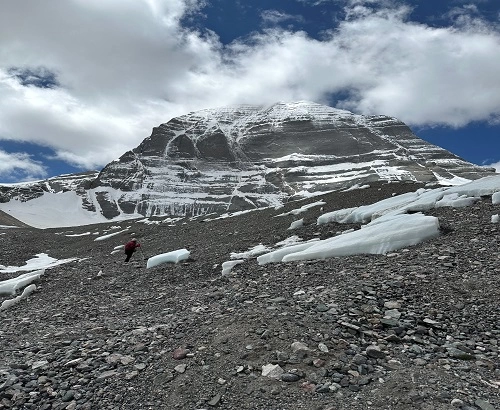
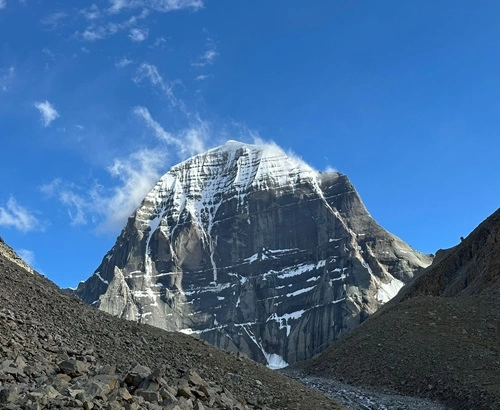
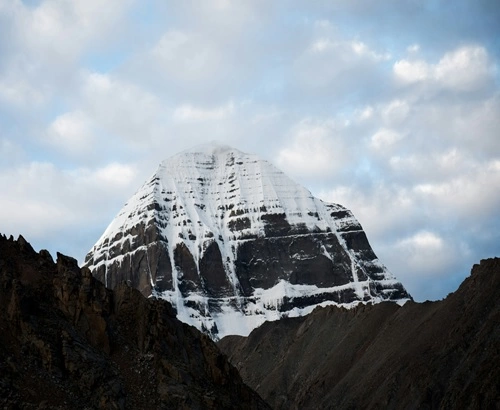
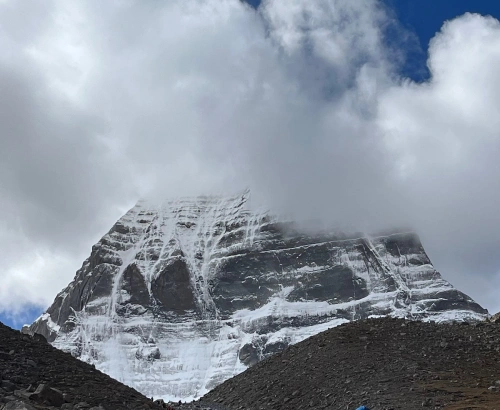
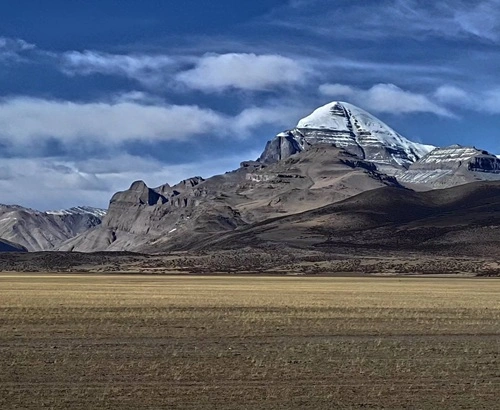
Within two hours, we get the full, clear vista of the north side of Mt Kailash. The mountain's a black pyramid 6638m in height with almost perfect symmetry. Trekkers invariably pause for a moment of reverence and reflection.

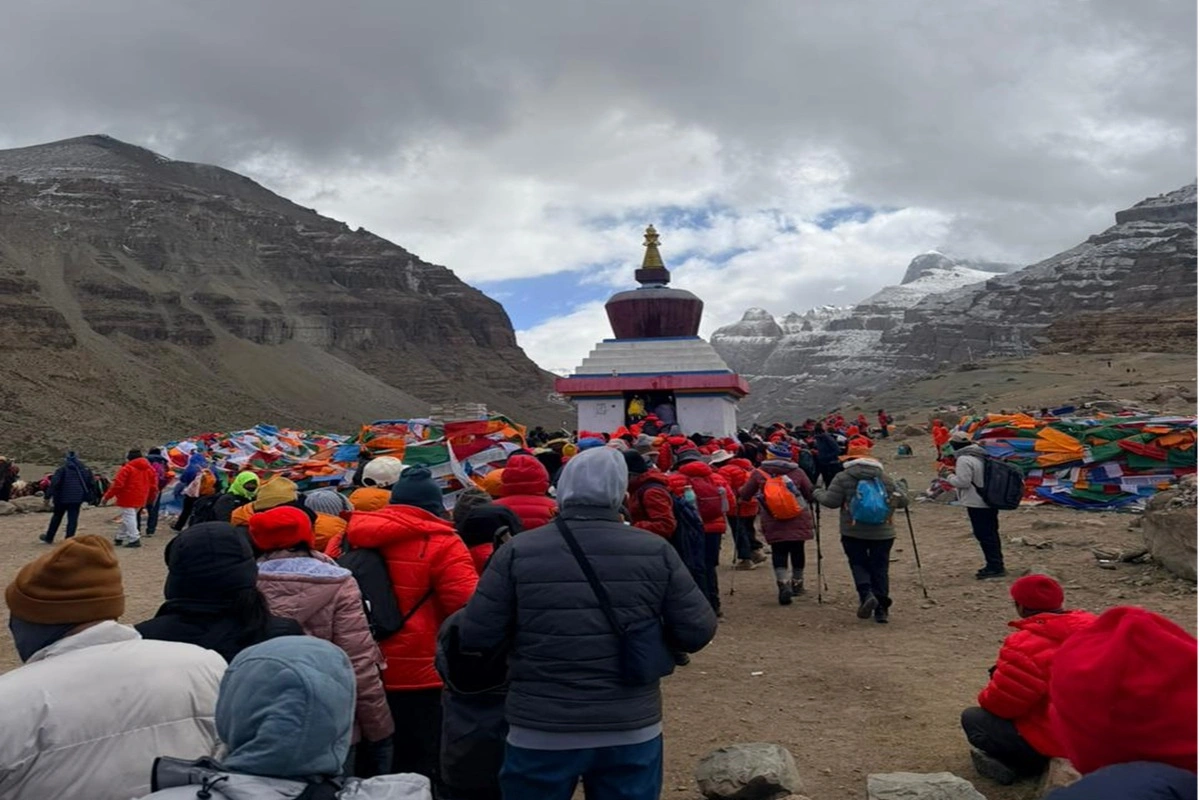
The 19 km stretch that you will trek up to Derapuk Guesthouse will take approximately 5–7 hours, depending on your fitness and how your body reacts to altitude. Along the way, you'll come across a few sites like Chorten Kang Nyi (a ceremonial gateway signifying the official start to the Kora). Tibetan pilgrims normally trek around this circumference in one day; a few manage to do up to 108 such circuits in a lifetime!

Walking amongst these pilgrims with barely anything to their name and a great sense of inner peace can put your personal struggle into context. Dirapuk has no-frills dormitory beds and a short hot meal menu. You can see the north face of Kailash from the guesthouse window, and watching the clouds drift across this face at sunset is a memory the pilgrims carry for decades.

  • AccommodationBasic guesthouse or hut at Zuthulpuk
  • MealsBreakfast - Lunch - Dinner
  • Altitude/TimeMaximum 5,630 m, 9 to 10 hours walking

This will be the toughest day of the whole Kora. You'll get up at 5:30 in the morning, eat some warm food and then start to ascend to Dolma La Pass (5,620m), the highest pass on the Kailash Kora and perhaps the most sacred pass on Earth.

It's about a 900-meter rise in about 8km up a rocky, steep path. There are no facilities, no one to bail you out and not much of a way back once you push into the latter stages. Most trekkers, between 5200m-5620m, puke, get vertigo or lose the will to put on another step.

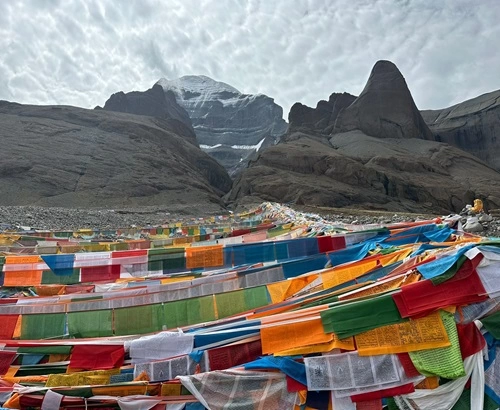
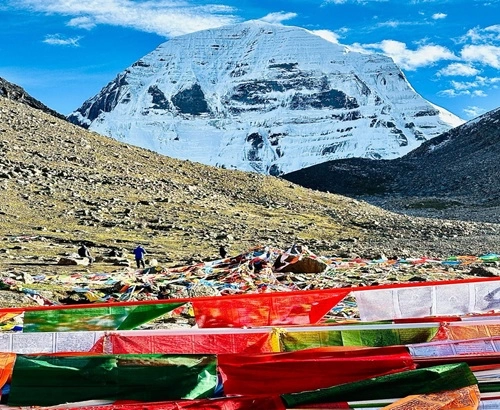
At the summit of Dolma La pass stands a huge boulder covered in prayer flags. Devotees leave behind tokens such as locks of hair, teeth, photos of family members who have passed away and clothes, representing death, rebirth, and a hope of living again. The air is incredibly thin, and you will be gasping for breath with very little movement.

We then descend to Zuthulpuk (4,790m) for nearly 12km through the broad valley of Lham Chu, stopping at Gauri Kund (5,608m), a mystical glacial lake which is frozen for much of the year. Your legs will have a trembling experience on the descent; trekking poles are compulsory on this day. Basic meals are served at Zuthulpuk guesthouse, which has shared toilets. Soon sleep will embrace you.

  • AccommodationHotel or guesthouse in Saga
  • MealsBreakfast - Lunch - Dinner
  • Altitude/TimeFrom about 4,760 m to 4,600 m, 3 to 4 hours walking plus driving

This morning we will do the last segment of the Kailash Kora, a gentle 9 km to Darchen along the Zhong Chu valley floor. The views open up, and in the distance you see Darchen like some dream, suddenly materialising after three days of being surrounded by nothing but wilderness.

After the Kailash Kora there's a real blend of exhaustion and wistfulness as the journey ends and the regular world begins to encroach once again.

When you arrive at Darchen sometime around noon, you'll hop in your 4WD and head back towards Saga in the east - it's about 4–5 hours. Your body will feel the combined fatigue of the past three days quite profoundly. You'll get stiffness in your legs on the car seats and usually feel incredibly hungry.

Enjoy a nourishing warm dinner in Saga today: your body needs to mend! Most people after their Kora discover blisters, sore knees, sunburnt faces, and an aversion to dealing with wounds! Today, make sure you've tidied up all your blisters tonight and bandaged them with an antiseptic wipe, so infections do not get an early foothold – you're so much slower to heal at altitude.

  • AccommodationHotel or guesthouse in Kerung
  • MealsBreakfast - Lunch - Dinner
  • Altitude/TimeKerung about 2,700 m, approximately 7 to 8 hours

You'll leave Saga by 8 AM, driving southwest towards Kerung (Gyirong). Kerung is a Tibetan town located just inside the Chinese border, at just over 2,800 meters in altitude, and is the jumping-off point for the Nepalese-Chinese overland crossing. From the high plateau of the Tibetan Plateau, you'll be driving downwards considerably today, in altitude, down into the foothills of the Himalayas. 

You'll immediately feel the difference - the air thickens, greenery emerges and the temperature increases. The drive should take you between six and seven hours to complete, depending on road conditions and stops at checkpoints.

Suddenly, the scenery changes: desolate plateau to lush, green, forest-covered gorges with waterfalls, terraced fields, and tropical flora. It's a bit disorienting after 10 days in brown, high-altitude wilderness. The town of Kerung is a nice place: several guesthouses, good hot showers, and wider dining options than anyplace since Lasha.

Most travellers will suffer from light altitude headaches. Eat well today, charge all your phones, get your travel papers in order. You're heading over the border first thing tomorrow, and not having to faff around in your bag for your Chinese Exit Visa, Nepal Visa, and Passport will buy you a few moments' peace at immigration.

  • MealsBreakfast
  • Altitude/TimeKathmandu 1,300 m

On the last morning you'll eat an early breakfast and then drive to Kerung-Rasuwagadhi, Nepal's official border crossing to China. At the border, you'll leave Chinese immigration on the Chinese side, walk over a bridge crossing the Bhote Kosi River, and then leave Nepalese immigration. 

This process alone will likely take one or two hours - possibly longer if you have other large groups joining or leaving the country at the same time as you. 

After leaving the Nepalese immigration center, a driver will be waiting to take you the 130 kilometers south on the amazingly treacherous, winding roads descending into Kathmandu. You should arrive in the Thamel part of the city mid-to-late afternoon/early evening. 

This drive along the route passing through Dhunche, Trishuli Bazar, and Nuwakot offers dramatic views of terraced farmland and valleys with rivers flowing through them, along with villages lining the road - everything wonderfully green after the arid landscapes of Tibet. 

The contrast with the relative quiet of the last 12 days in Tibet will be overwhelming with respect to the volume of sound and odor, and the sheer density of activity.

At this stage most travelers return to their own cultures feeling completely worn out by the pacing of urban life, so do yourself a favor, and take one night to have a simple meal you know well and just breathe - take the time to do anything with less pressure. 

You did something of enormous significance - walking the Kora of Mount Kailash through Lhasa. That accomplishment will change the way you experience your physical limits, sacred geography, and religious devotion for good.

Not satisfied with this regular itinerary?

Are you interested on planning custom trip? Feel free to contact us.

Cost Details
What's Included
  • One-way flight from Kathmandu to Lhasa
  • All transportation is done with a tourist vehicle in Tibet in accordance with the itinerary
  • Sightseeing in Lhasa and entrance fees for Potala Palace, Jokhang Temple, Drepung Monastery, and Sera Monastery.
  • Hotels and other guesthouses to stay in over the trip on a twin-share basis that suits your need for comfort
  • Breakfast, lunch, and dinner during the trip to Kailash.
  • Breakfast provided during sightseeing in Lhasa.
  • English-speaking Tibetan/Chinese guide provided throughout the trip
  • Required Tibet Travel Permits and entry permissions also included
  • Mount Kailash Kora and Parikrama permissions are included
  • Visiting Lake Manasarovar is possible with arrangements for rituals
  • Kailash Kora is done at Dirapuk and Zuthulpuk in basic guesthouses.
  • Support staff and necessary ground arrangements are provided.
  • Government taxes and service fees included.
What's Excluded
  • Airfare for travel to and from Kathmandu
  • Visa charges for entering Nepal
  • Cost of getting travel and health insurance
  • Cost of any medical assistance and emergency evacuation due to health reasons
  • Any extra cost incurred during travel, such as drinks, food, communication, etc.
  • Tips to guides, drivers, and other people who help in the journey
  • Help from horses or donkeys while travelling
  • Money spent on tents and sleeping bags required on the journey
  • Cost of staying alone in a room
  • Any extra charges made due to unplanned delays caused by emergencies
  • Charges incurred by unexpected roadblocks or other factors leading to an increase in expenses
Useful Info

Altitude Sickness and Difficulty of the Tour

The Mount Kailash Tour is one of the most strenuous pilgrimages in the world. For most of your expedition, you'll remain above 4,000 meters, and you'll even go as high as 5,620 meters over Dolma La Pass, an altitude at which the oxygen content in the atmosphere is approximately half of that at sea level. Between Days 1 and 3, almost everyone experiences AMS symptoms such as headaches, nausea, sleepiness, and loss of appetite.

The only real way to ward off AMS is with an acclimatization regimen. That means a good solid two days in Lhasa to get a breather before heading out to higher altitudes. The number of people who push this boundary too soon and then have to turn back is staggering.

Consult with your doctor about Diamox (Acetazolamide) before leaving.

Have a pulse oximeter and monitor your blood oxygen daily. The Kora is not exactly a walk in the park either, as you will be trekking for 6–8 hours each day for many consecutive days with rugged, uneven terrain and thinning air. You should definitely be in shape before leaving.

Accommodation Facilities

Accommodation during the tour is very simple. The higher you climb, the more basic it gets. Lhasa and Shigatse have reasonably comfortable medium-range Tibetan hotels where you'll have your private rooms and running hot water, the hottest running water on the whole tour (see below), and proper heating (another rarity on this tour!).

Past Shigatse (which means to expect rough lodging in small towns of Saga, Darchen and along the Kora), its basic guesthouses. Here, the squat toilet, thin bedding, dormitory-like accommodation and running hot water are all in sporadic form.

Dirapuk guesthouse, along with Zuthulpuk, the Kora overnight stops, are the crudest of accommodations encountered on the hike. They consist of wooden bunks with sleeping bags (though no blankets), but no indoor plumbing. Most visitors bring a sleeping bag liner for basic cleanliness, which the guides all advise.

There’s no Wi-Fi, no heat, and no English speakers outside of Lhasa! The primary mistake beginner travelers make is expecting a hotel experience during their religious journey. Get over it beforehand, and it won't matter.

Food and Meal Options

Food on this tour will be very simple and basic (and possibly repetitive). That's totally okay and expected when you factor in all the logistical challenges in such an isolated location. Lhasa has decent Western, Tibetan, Chinese, and Nepali cuisine. Beyond Lhasa, in the monasteries and villages, your dietary staples will most likely consist of tsampa (roasted barley flour), butter tea, thukpa (noodle soup), fried rice, and vegetable momos.

The farther west you travel through Tibet, in the direction of Manasarovar and Darchen, the shorter the menu is in hotels and restaurants – instant noodles, dal, rice, boiled vegetables, canned meat. You'll need to worry seriously about food hygiene: eat hot food, nothing raw at all, and drink bottled water or purified water from guesthouses and never straight from the tap.

Carry high-energy food products (Snickers, protein bars, etc) and a rehydration system (salts, electrolyte sachets) for when guesthouse meals aren't enough. Vegetarians won't be suffering through this journey, but vegans are pretty much on their own, unless we stick to Lhasa.

Transportation

Your Mount Kailash Tour will rely almost exclusively on Toyota Land Cruiser 4WD vehicles. The only vehicle which is able to negotiate western Tibet's increasingly less-than-perfect roads, rivers, streams and, of course, high-altitude gravel tracks. You'll probably ride in one, or maybe two, depending on the size of your group, along with an experienced Tibetan driver who will have negotiated these roads in any weather.

Road quality has a predictable decline: from the Friendship Highway (well-maintained tarmac from Lhasa to Shigatse), to the bumpy gravel roads that jolt your bones for hours on end as you travel past Saga on the way to Manasarovar and Darchen. Be prepared for motion sickness, bring Dramamine or ginger tablets and stick to the front passenger seat if this is a particular problem.

The first part of the trip is a flight from Kathmandu to Lhasa, which takes about 90 minutes, though no onward internal flights in Tibet are included. All vehicles are booked through your authorized tour provider prior to your departure, and your yaks should also be booked for your Kora in this way to avoid a frantic bargaining session at the starting point.

Best Time to Go On Mount Kailash Tour via Lhasa Sightseeing

Our Mount Kailash tour via Lhasa is best recommended for late April to October, with May-June and September-early October providing the most advantageous combination for clarity of skies, temperature range, and ideal Kailash Kora conditions. Based on the present information on the route, the trekking season is from late April to October, while winter conditions may block Dolma La Pass at any time.

The specific itinerary we offer is a Lhasa-Shigatse-Saga-Lake Manasarovar-Darchen-Kailash Kora-Kerung-Kathmandu journey of 12 days. We do not include Everest Base Camp. After two days in Lhasa at ~3,650m, we proceed to Shigatse and then Saga before arrival at Lake Manasarovar.

Starting from Darchen at ~4,600m, we undertake a two-day Kora of Kailash; starting at Darchen with overnight at Dirapuk at ~4,750m, and subsequently proceeding across Dolma La Pass at ~5,630m towards Zuthulpuk.

May-June - our first option

These two months offer some of the best conditions in the higher reaches. While nights are still cold, days bring more clarity to the skies and less snow cover on major trekking routes. In the Kailash region, average day and night temperatures in May are reported to be around 7 C and -7 C respectively. June offers milder conditions in this respect.

Saga Dawa is celebrated in June and is a particularly sacred time in Tibetan Buddhist tradition, marking as it does the birth, enlightenment and death of Buddha. If your tour dates fall on Saga Dawa, expect far more pilgrims around Kailash and higher costs for accommodation.

September to Early October - Best for Clear Mountain Views

We would also wholeheartedly suggest you consider September and early October. Once summer travel concludes, the weather improves greatly. It gets considerably drier, and visibility can be superb.

October gets much colder, however, so we would prefer the Kora to be completed earlier rather than late in October.

Looking at the published climate information for this region, the average night temperature in Kailash during October is around -10C.

What We Would Not Select

We would not recommend booking in July and August as a first choice. Western Tibet does suffer from more summer rain and fog, which may present more changing and uncertain road conditions and can reduce clarity during an already strenuous and long overland journey. Winter presents another issue. From November until early April, there can be heavy snowfalls and extreme conditions, making the Kailash Kora and the high passes potentially inaccessible and unsafe.

Guides and How We Prepare You

Some of our most valued Kailash guides include Yambraja Shakya and Milan Shakya; you can request either by name with Adventure Altitude Treks when we discuss a trekking itinerary. As we have not verified numbers, we cannot suggest a specific "percentage of trekkers that complete".  But we can say that for every 100 trips we organize in the season, 95 percent of trekkers have completed the trip abnd returned safely. Adventure Altitude Treks has been a licensed and fully insured Nepal trekking and tour company for over nine years.

A practical lesson that we do emphasize and which is particularly important is simply don't race through the first day of the Kora. At this altitude, maintaining a steady walking rhythm is far more important than trying to be ahead of the others in your group.

To book, contact Rohit at +977 9845449032 (WhatsApp) or directly with the Adventure Altitude Treks company. We highly suggest discussing your past trekking experiences and current fitness levels prior to confirming rather than treating the Kailash Kora like a general sightseeing trip.

Essential Permits For Kailash Tour via Lhasa Sightseeing

1. Tibet Travel Permit (TTP)

First and foremost, the Tibet Travel Permit is your legal permit even to enter the Tibetan Autonomous Region as a foreigner. In short, without it, you won't be crossing over into Tibet - China visa or no visa. All applications for the Tibet Travel Permit must be made with a licensed Chinese travel agency (you can't apply for it by yourself at any point in time).

For people traveling from Nepal: The Nepalese trekking agency you use will get in contact with their accredited Tibetan business partner, who in turn will organise the TTP for you. The permit will be on a piece of paper (not a stamp in your passport), and you will need to have this on easy view for the whole trip. You will be asked to present it at various checkpoints, between the Nepal border and Kailash.

Processing takes a total of two to four weeks starting from the date you've applied. It's advisable that you start your application process at least six to eight weeks before your scheduled travel, so as to account for any bureaucratic hold-ups. You'll find agencies reporting frequently to customers who applied merely four weeks ago, receiving rejected permits just due to this very reason.

2. Chinese Group Visa

Chinese Group Visa is applied for by foreign nationals entering Tibet via the land border at Kerung-Rasuwagadhi along the Nepal-China border. Entry Visa requirements in China differ depending on your nationality and the Chinese immigration policy in effect at the time of entry, and it changes from time to time.

The most common mistake is that when you've been to mainland China before, you think you already have your existing Chinese visa in Tibet. Entry into Tibet is very different.

Your authorized tour agent will examine your nationality, verify the current visa rules applicable to you and will complete the entire visa formalities for you prior to your departure. Usually you are expected to provide your original passport, recently taken photographs in passport size, application forms, etc., depending upon your nationality.

Forget trying to get your Tibet-entry visa papers yourself, or with the help of those "unlicensed" agencies! Chinese immigration policy is in constant flux, so unless you're with someone who's constantly looking out for the latest changes in the rules, your visa may not be the right one to take!

3. Alien Travel Permit (ATP)

The Alien Travel Permit is what allows you to leave Lhasa and its immediate surroundings and head out into restricted prefectures in Tibet, one of which is Ngari, home of Mount Kailash. Your tour agent handles acquiring your Alien Travel Permit for you. It is just included in your total paperwork packet. You don't need to line up at another government office or apply to your home country.

Note: the ATP has nothing to do with the Tibet Travel Permit legally. The ATP is a document that allows you to travel in some areas not open to general tourists. Tibet Travel Permit allows you to enter Tibet, whereas the ATP allows you to travel through special areas only. You need to have the ATP and the TTP with you on your way up to Kailash, or you will not be allowed through roadblocks/checkpoints.

All of your ATP paperwork will be controlled by your guide and secured at every zone of control you cross during your trip. So, you never have to hand over checkpoints. But be sure to carry a readily available copy in your day pack, not lost in your main bag that's being packed onto the roof of the vehicle, or lost on a yak's back!

4. Ngari Restricted Area Permit

This will be the third and last permit you'll need if you plan on traveling within the borders of the Ngari Restricted Area Permit. This will grant you entry into the westernmost area of Tibet: the incredibly administrative and sensitive Ngari prefecture that is home to Mt. Kailash, Manasarovar, and the town of Darchen.

The Chinese Government views the Ngari Restricted Area as its own restricted area, meaning that you will not be permitted there by just a simple ATP (Ali's Tibet Permit).

Your travel agency can coordinate acquiring these, along with the Alien Travel Permit. Both will be carried by your guide as soon as your tour enters the Ngari region. Your three permit types will be scrutinized against your passport at least once en route between Saga and Darchen, and twice in the checkpoints surrounding the base of Kailash itself.

That said, it is an in-depth, no-negotiable procedure. The well-trodden guides know each checkpoint's position on the path and have ready documents to avoid delays from trekkers rummaging around their messy bags during military inspections.

The Step by Step Permit Process via Nepal

Step 1: Initial Booking and Document Collection

Once you book your trip and provide your deposit, you'll receive a document checklist within 24 hours. You can complete these with a scanned copy of your passport pages, passport size photo and your filled application forms online, with the originals accompanying you to Kathmandu.

We will provide you with a definitive application submission due date. This date is a fixed number and is set in advance based on the latest possible upload time considering your travel dates and the Tibet Tourism Bureau's processing timeline.

If someone in your tour group misses their upload window, it can negatively impact everyone in your group because Tibet Travel Permits are processed as one overall application. Upload on time, and all the remaining processes continue smoothly.

Step 2: Tibet Travel Permit Application

We then submit all of your group members' information to our certified Tibetan tour agency, which submits the official application for the Tibet Travel Permit to the Tibet Tourism Bureau in Lhasa. This part of the process will take two to four weeks to complete. Travelers will play no further role during this time.

There aren't any action items for you at this stage, as long as you were on schedule for meeting your Step 1 deadline. We monitor the application status closely and alert you if the bureau is contacting one or more travelers for additional documentation. At times, we do get a bit delayed, especially during the holiday (Saga Dawa) season.

Step 3: Chinese Group Visa Application at the Kathmandu Embassy

When it comes to the Chinese Group Visa, it's always processed in Kathmandu and not in your home country. This is the very same reason as to why everyone in the group needs to arrive in Kathmandu two or three days before the departure date!

Your group application will be filed with the Chinese Embassy in Kathmandu by our team, and the visa will be processed within two to three working days.

Our representative will handle both dropping off and picking up the application, so you won't be left facing the embassy process by yourself. Travellers arriving in Kathmandu on the morning of their trip can't get this done and can't go - this is the most frequent reason why clients miss this trip.

Step 4: Final Document Verification Before Departure

On the night before your departure, you'll be going on an overland journey towards the Chinese Tibetan border, and your entire group's documentation will be checked through by our crew. We will go through your passport, the Group Visa for China, the Tibet Travel Permit and any other country-specific documents, matching them to our signed group list.

Finally, each of your travelers will receive a document folder to help you maintain order and sanity for the duration of the trip. It seems trivial, but this little piece of planning means more to your clients than you'd think.

Officials you may encounter along the way (between Kerung and Darchen, for example) may ask to see documentation randomly - this could be in poor lighting or freezing conditions, and searching a chaotic backpack in front of a military officer is not going to help your team.

Step 5: Alien Travel Permit and Ngari Restricted Area Permit Collection

This permit is coordinated and issued together with your Alien Travel Permit by our Tibetan partner agency, so it's ready when you cross the border with your group.

They are carried and shown on your behalf by your Tibetan tour leader at every point of restriction (where you'll need this) and at controlled checks to reach Saga onwards through to Darchen, including the Kailash circuit. You won't be touching your permits. Your passport, as well as any personal copies, should always be within easy reach of your day pack.

FAQs
  • We have used Lhasa as a place to introduce culture and as our trip’s acclimatisation zone. At roughly 3,650m, you will spend 3 days adjusting in Lhasa, before heading towards the higher plateau of Tibet. This helps to gradual expose our travellers to the altitude before directly heading up towards Kailash; our itineraries are praised for this gentle introduction to high altitude.

  • It is longer, and although we find our travellers get more value from having a little more time before committing to the Kora. You spend more time in transit and will have the opportunity to get accustomed to the altitudes that affect the trek. You’ll have had some altitude experience before you reach the ~5,650m range on days 4, 5 and 6.

  • Genuinely difficult; particularly day 4 with Dolma La, at just over 5,650m, is where you can spend 8-9 hours trekking for up to 22km. We do not market this as an easy pilgrimage.

  • Previous experience in higher altitudes is useful, but not a definitive requirement. Provided that you can walk for a number of hours at altitude with a reasonable degree of stamina and fitness, it should be manageable. We consider every client as an individual when assessing experience.

  • No responsibly operator will and could. Altitude is a tricky variable and will affect each person differently. Your guide is trained to monitor your well-being and will advise you to descend or turn around for your own safety. We’d much rather you didn’t finish. Than not arrive back safely.

  • Your tour includes oxygen support, emergency kits and emergency arrangements. Client “Harshad Mehta” kindly shared his experience: “I was closely monitored on health terms, guided with oxygen,””. Our tours do have these resources as part of the trip.

  • Approx 3650 metres: Lhasa, Lake Mansarovar Approx 4558 to 4590 meters and the highest point in the tour will be Dolma La Pass Approx 5,630- 5,650metres. As such, it’s an exceptionally challenging day.

  • The itinerary will allow you several days in and around Lhasa for cultural experiences. Potala, Jokhang Temple and Sera Monasteries. These days give your body time to acclimatise to the atmosphere there.

  • Yes. There’s allocated time at Lake Manasarovar, 4558 to 4590m. This will be done before heading off for Darchen to begin your trek.

  • The accommodation along the Kora consists of very simple Tibetan-style guesthouses and sometimes monastery lodges. You should expect very basic facilities in these remote parts. Client, “roja B” mentioned that some of these remote accommodations were “very basic”.

  • Meals are arranged throughout your trip when you’re part of our package. “I ate some simple yet healthy vegetarian food when I was at Manas Sarovar and at other points, even when I was trekking,” client Rahat P.” has praised; you’ll be given hearty food for days along your Kora.

  • Absolutely. Travel in China’s Tibet means that there are some additional layers to be handled, such as permits, local guidance and assistance; these will be arranged for our travellers. Our client, “rohi g.” expressed that the Nepali team coordinates so well all along through Tibet.

  • While custom arrangements can be made, we don’t advocate the removal of mandatory acclimatisation days just to shortcut a trip that is at its highest point over 5000 meters. Faster arrival at Kailash does not necessarily enhance experience.

  • If you are looking for an uncomplicated holiday with comfortable amenities, this trip is not for you. This journey really is intended for those up for an altitude challenge. If you have extensive health problems, consult with your GP before booking. We can also decline any booking to manage client expectations and prepare.

  • Our Trip Planner, Rohit, can answer any questions concerning your Kora tour: +9779845449032.

What Our Clients Say...
  • S
    Storm DuffyUnited StatesJune 23, 2026
    rating star

    Journeying from Ancient Lhasa to Sacred Mt. Kailash

    The 12-day journey from Lhasa to the legendary Mt. Kailash was a passage through ancient cultures, astonishing high-altitude scenery, and truly sacred land.

    The dramatic Tibetan landscape presented endless wonders as we journeyed, from remote settlements and monasteries to wind-swept peaks and lakes that rivaled sapphires, including the fabulous Manasarovar.

    Although arduous given the altitude during the Kora walk around Kailash, the experience was truly spiritual and extremely satisfying. Adventure Altitude Treks made the trek feel safe for us, with sensible advice on acclimatization and without ever making us feel rushed.

    TrustPilot
  • R
    Roseanna LordUnited KingdomApril 22, 2026
    rating star

    An Unforgettable Lifetime Himalayan Adventure

    Our 12-day trip around Tibet’s Mount Kailash through Lhasa will, without doubt, remain etched in our memories forever. Exploring the spiritual hubs of Lhasa gave us a glimpse into Tibet before heading towards the sacred Mount Kailash region. As we increased our altitude on the way to Kailash, the guiding team meticulously monitored our health and advised us appropriately, especially encouraging enough rest and hydration. Whilst the Kora itself was certainly demanding, with some truly exceptional mountain views throughout, we knew we were safe and looked after throughout our trip.

    TripAdvisor
Add-ons Trips
You may also like

Ask a Question

Need Help? We're at your service
Trip Planner (Rohit)+977 9845449032
Operation Manager (Raju)+61 423 765 587
Send Us a Message[email protected]